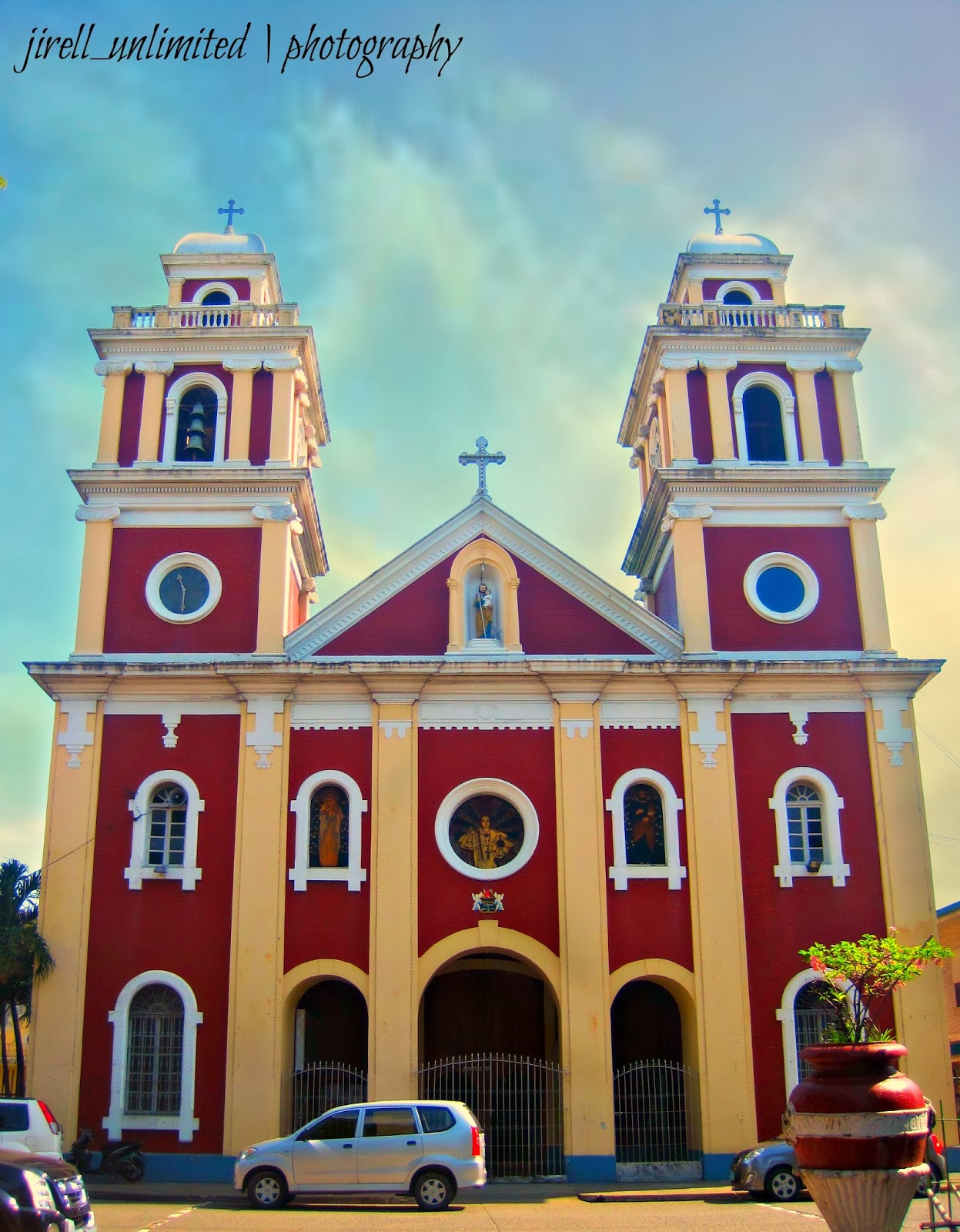
ST. CLARE MONASTERY - KATIPUNAN, QUEZON CITY
Santa Clara was the childhood sweetheart of St. Francis De Assisi. She founded a Franciscan order of women known as Poor Clares whose local house is Real Monasterio de Santa Clara (Royal Monastery of Saint Clare), the oldest cloister in the Philippines. She was the patron Saint of Television for the catholic Church. Her feast day is on August 11.
Monasterio De Sta. Clara was founded by Mother Jeronima De La Asuncion (May 9, 1555-Oct. 2,1630), she was the foundress of the first Catholic Monastery in Manila and the Far East.
As early as 1598, the people of Manila desired to have a Poor Clare foundation in their midst. When Mother Jeronima learned about it, she volunteered to become the foundress. Her Franciscan superiors accepted her proposal with enthusiasm, but due to some problems between the ecclesiastical and civil governments in the Philippines, she had to wait for 22 long years before she was finally allowed to come in the Philippines together with the nine Poor Clares nuns. The nine foundresses and their chaplain and head of the mission, Fr. Jose De Santa Maria, OFM arrived in Manila on August 5,1621, after an eventful voyage lasting one year, three months and nine days. The sisters were the first woman missionaries to reach the Philippines, and for that matter, the Far East.
Mother Jeronima steered the course of her community's history for nine years until her death on October 2,1630 at the age of 75. Her life of holiness inspired and strengthened the people to persevere in their faith.
In the intervening years, the sisters in Intramuros were forced to transfer from one place to another due to various circumstances. They evacuated to the Franciscan Convent in Sta. Ana. In 1896, during the Philippine Revolution, they again transferred to the Franciscan Convent in Sampaloc. In 1941, they also transferred to the VOT Convent in Solano, Intramuros, then to St. Anthony's Orphanage. During the last days of the war in 1945, the American soldiers were forced to bombard the monastery in Intramuros because Japanese soldiers sought feruge within convent walls. They transferred to their present monastery in Quezon City on February 20,1950.
Picture
In this new location, devotees still continues the tradition of offering eggs. In Castillian Claras means "short interval of fair weather on a rainy day. In Spanish, clara pertains to the albumen (white eggs) of the egg. In effect, Claras (white eggs) is being offered to Santa Clara to keep a particular date clara (fair in weather). They said that the eggs that are being offered will be made into bread and will give it to the poor people. In their office they provide pens and papers where you could write your prayer intentions and drop in the provided boxes and ask for the nuns of the Order of Saint Clare of Assisi to pray for them as well for good weather.